
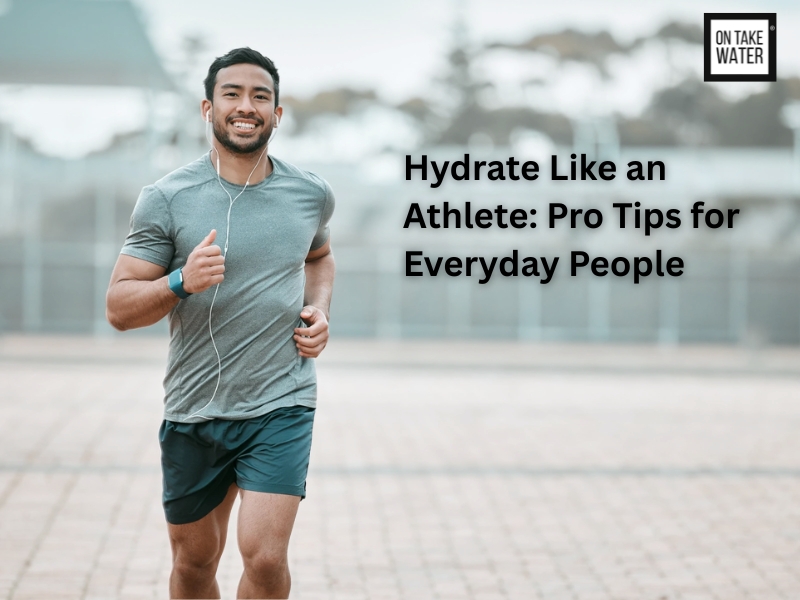
When we think of athletes, we often imagine intense training sessions, world-class stamina, and finely tuned nutrition plans. But there’s one habit every elite athlete swears by — hydration. Whether you’re training for a marathon or just tackling your daily to-do list, how you hydrate impacts your energy, mood, focus, and overall health.
The best part? You don’t need to be a professional athlete to focus on taking water seriously and apply sports-level hydration strategies to your everyday life.
In this comprehensive guide, we’ll break down how to hydrate like an athlete, why it matters, and easy steps you can adopt today.
Why Hydration Is Non-Negotiable
Water isn’t just something you drink when you’re thirsty — it’s the foundation of every function in your body. It regulates your temperature, lubricates joints, transports nutrients, and removes waste.
For athletes, dehydration can mean slower reaction times, poor endurance, and a higher risk of injury. But for everyday people, dehydration can cause headaches, fatigue, brain fog, and even mood swings.
Research shows that losing as little as 2% of your body weight in fluids can negatively affect performance — and yes, that includes your work performance or ability to concentrate in a meeting. So whether you’re sprinting on the track or walking into a conference room, you should focus on taking water as seriously as your daily meals.
How Athletes Approach Hydration
Elite athletes have hydration plans, not just habits. They understand that waiting until you’re thirsty means you’re already behind.
Here are some athlete-approved principles you can follow:
- Pre-Hydration Is Key
Just like warming up before exercise, you need to prepare your body with fluids before activity. Athletes often start hydrating hours before an event so they’re not playing catch-up later, and they always focus on taking water first thing in the morning. - Consistent Intake Over Chugging
Instead of drinking huge amounts at once, athletes sip consistently. Your body absorbs fluids more efficiently when they’re taken in gradually, so remember to focus on taking water in small amounts throughout the day. - Electrolyte Balance
Water is essential, but so are minerals like sodium, potassium, and magnesium — especially if you sweat heavily. These electrolytes help maintain muscle function and prevent cramps, which is why athletes work on taking water with electrolyte tablets or sports drinks during long sessions. - Monitor Output
Many athletes use the color of their urine as a quick hydration check. Light yellow usually means you’re well hydrated; dark yellow is a red flag that you need to act on and take water soon.

Everyday Athlete: Adapting Pro Hydration to Your Life
You might not be running sprints or cycling 50 miles a day, but your body still benefits from hydration discipline. Here’s how to apply athlete strategies to your routine:
1. Start Your Day With Water
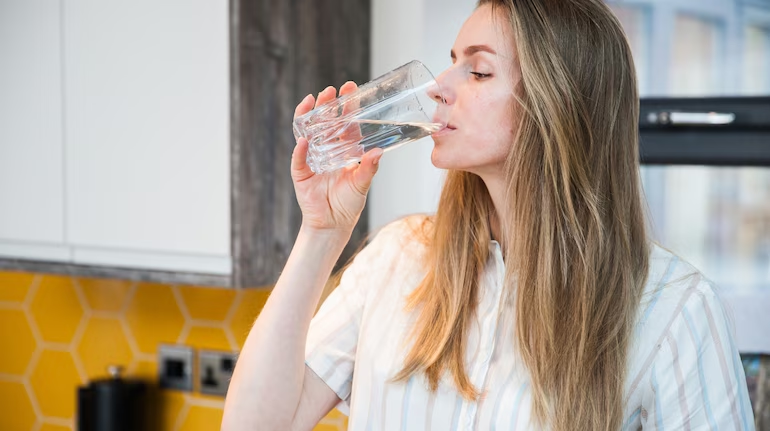
After hours of sleep, your body wakes up slightly dehydrated. Before your morning coffee or tea, act on taking water — at least 300–500 ml — to jumpstart your metabolism and rehydrate your system.
2. Set a Daily Goal
Athletes often track their water intake in liters per day. While needs vary, a general guide is:
- Women: about 2.7 liters per day (from all fluids, including food)
- Men: about 3.7 liters per day
You can personalize your goal based on your activity level, body size, and climate — but the key is to stay consistent on taking water throughout the day.

3. Keep Water Accessible
It’s easier to focus on taking water when it’s right in front of you. Keep a reusable bottle on your desk, in your car, or in your bag so you’re reminded to drink regularly.
4. Time Your Hydration
Instead of randomly drinking throughout the day, set mini-deadlines for hydration:
- Morning: 1–2 cups before breakfast
- Midday: 2–3 cups between meals
- Afternoon: 1–2 cups before dinner
- Evening: 1 cup before bed (but not too much if you don’t want to wake up at night)
Athletes follow these timings and stay mindful to take water before performance dips.
Understanding Your Sweat Rate
One reason athletes excel at hydration is they understand how much fluid they lose during activity. You can try this simple method:
- Weigh yourself before and after a workout (without clothes, to account for sweat).
- Each kilogram lost equals roughly 1 litre of fluid.
- Replace this amount by drinking water — ideally spread out over the next few hours.
Even if you’re not training for sports, this helps you measure and act on taking water during hot days or after physical activity like gardening, commuting, or walking.
When Plain Water Isn’t Enough
For light daily activity, plain water works fine. But if you’re sweating heavily for more than 60 minutes, you might need extra electrolytes. Here are a few everyday scenarios where you can borrow an athlete’s playbook:
- Hot Days — If you’re outdoors in high heat, combine water with electrolyte-rich drinks. Athletes focus on taking water in these situations but also add sodium and potassium to maintain balance.
- Office Marathons — Long meetings in air-conditioned rooms can dry you out. Keep sipping water instead of relying on coffee alone, and act on taking water before, during, and after these sessions.
- Travel Days — Airplane cabins are notoriously dehydrating. Always focus on taking water when traveling and sip every 30–40 minutes.
You don’t always need commercial sports drinks — coconut water, diluted fruit juice, or homemade electrolyte solutions work well when you need more than just plain water.
Smart Ways to Make Hydration a Habit
Athletes train their bodies to crave hydration, and you can too.
- Pair it with a Routine: Drink a glass of water every time you brush your teeth, finish a meeting, or return home, making it a daily practice to drink water.
- Use a Marked Bottle: Many bottles have hourly markers to help you track your intake.
- Flavour it Naturally: If plain water bores you, add lemon slices, cucumber, or berries to make it more appealing.
- Tech Reminders: Use apps or phone alarms to keep your focus on water throughout the day.
Busting Common Hydration Myths
Myth 1: “If I’m Not Thirsty, I Don’t Need Water.”
Thirst is a late sign of dehydration. By the time you feel thirsty, you’re already down in fluids — athletes know this, so they focus on water before thirst kicks in.
Myth 2: “You Can’t Drink Too Much Water.”
Overhydration (hyponatremia) happens when you dilute sodium in your body by drinking excessive amounts without electrolytes. Athletes focus on taking water wisely, balancing it with electrolytes when needed.
Myth 3: “Sports Drinks Are Always Necessary.”
Unless you’re doing high-intensity exercise for over an hour, plain water is usually enough. Athletes don’t guzzle sports drinks for no reason — they use them strategically and act on taking water most of the time.\
Signs You’re Under-Hydrated
Athletes constantly check in with their bodies, but everyday people often miss dehydration cues. Here are common signs:
- Dry mouth or sticky saliva
- Headaches or dizziness
- Fatigue and muscle weakness
- Dark urine or infrequent urination
- Poor concentration and irritability
If you notice these, it’s time to act on taking water immediately and monitor how you feel within 30–60 minutes.
Hydration and Your Brain Performance
We often talk about hydration for physical performance, but your brain is just as sensitive to fluid loss. Studies show even mild dehydration can impact short-term memory, attention span, and decision-making.
Athletes protect their mental edge with strategic hydration. You can use the same trick — before important tasks like presentations, interviews, or studying, focus on taking water to keep your brain sharp.
The Athlete’s Evening Hydration Routine
Hydration doesn’t stop when the day ends. Many athletes prepare their bodies for recovery by hydrating before bed, but they’re careful not to overdo it to avoid sleep disruptions.
For everyday people, a small glass of water an hour before sleep can help replenish fluids lost during the day without causing midnight bathroom trips. Herbal teas like chamomile or peppermint can also count toward your hydration while encouraging you to focus on taking water before rest.
The Bottom Line
Hydrating like an athlete isn’t about drinking gallons of water — it’s about being intentional, consistent, and responsive to your body’s needs. Whether you’re aiming for peak sports performance or simply want more energy for your day, the principles remain the same:
- Start hydrated
- Maintain hydration throughout the day
- Replenish after activity
- Balance water with electrolytes when necessary
Above all, treat hydration as a daily discipline, not an afterthought. Carry your bottle, check in with your body, and keep your focus on taking water regularly — your body will thank you with more energy, better focus, and improved health.
